
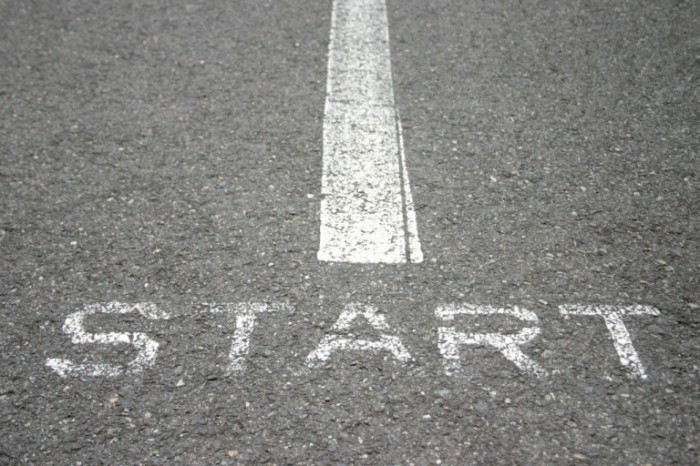
Where does the road to experience begin? End? And why are we so obsessed with limiting ourselves?
When marketers map customer experience, they start by defining a beginning and an end. But consumers experience a brand in an integrated ecosystem, replete of definition. In fact, when we think of improving experience for a particular brand, we typically look at touch points that are knowingly controlled by that brand. Let’s say I’m in charge of Walmart’s experience– I’m probably looking at the parking lot, the entrance, the signage, the store layout and wayfinding, customer service, the checkout line, the bathrooms. The list goes on. Every detail is considered, from the time you enter the parking lot until you drive off. But if there is construction outside, or no traffic light at the intersection of the parking lot, it’s not Walmart’s problem. Or is it?
While our customers might become frustrated with these obstacles, we don’t link the frustration with the brand as a singular experience – but what if we did? P&G sometimes refers to this as the first moment of truth. In P&G’s view of the world, the first moment of truth occurs at the shelf, before you buy and experience the product. It’s the experience before the experience. At this point, the brand can differentiate and articulate 3 of our 4 Ps: price, placement, and packaging. The goal is not only the sale, but also the experience of encountering the product. What is the first moment of truth for a brand that is an experience?
What is the first moment of truth for Walmart? Where does the experience start? The front door to the mall in which your retail space resides? The highway ramp? The street outside the store, or the transportation that takes you there? What if the brand experience started the moment you walked out of your house, when you first acted to seek out the experience? If there’s construction on the sidewalk outside of Walmart, how can Walmart work with urban planners to better accommodate customers and enhance the experience offset by construction? What if Walmart could touch the entire journey, door-to-door?
Not too long ago I was flying with Delta Airlines, and as I went through security I caught sight of an expedited TSA lane. It was a lane with no line, no requirements to take off your shoes and belt or to take your laptop and liquids out of your bag. I wondered, how does the TSA pick the lucky few that get to use that lane? To my surprise, the TSA agent guided me in that direction. What had I done to earn such a privilege?
Apparently, my loyalty to Delta had enabled me to take advantage of this travel perk. When I think of my experience with airlines, I think of schedules, planes, seats, upgrade frequency, in-flight meal options, entertainment, or attendants… definitely not the dismal experience that security usually entails. I would have never extended my associations with Delta beyond the terminal, let alone into the airport. I never thought of my airline as having anything to do with my airport experience. In fact, I see LGA and JFK as different brands, have unique perceptions of them altogether and see Delta completely powerless and at the airports’ whim. But all of a sudden, the headache associated with the airport experience was alleviated due to Delta’s involvement. They simplified travel for me, and in doing so, earned a customer for life. I know this is not something they control, but they obviously influence it. This was their “first moment of truth” – my experience before I had a single interaction with the airline. They’ve managed to extend their experience beyond. What else could they do? Delta door-to-door?
We know that our customers are overlooking parts of their experience, not always connecting the dots. The fact is, brands are missing out on opportunities to interact with customers. By failing to address important parts of their experience, they are inadvertently letting them down. But why? The reason brands don’t actively pursue these things is because they are tough, expensive even, but it’s when brands tackle the big issues, they get the bigger payoff – the lifetime customer.
What have other brands done? Mayo Clinic has seen success by addressing unseen opportunities as well. When you’re visiting Mayo Clinic, it’s probable that either you or a loved one is ill, and there is undoubtedly stress involved. Once you’ve arrived, the Clinic is focused on alleviating that stress. But how could they alleviate it sooner? While not marketed, the hospital offers a concierge service to help patients coordinate travel. Someone helps arrange your flight, and upon arrival to the airport a Mayo Clinic representative is waiting to pick you up. If needed, they’ll even send a nurse to accompany the patient from their home.
The Clinic stages an experience before the patient expects to have one, but has it worked? I’ve spoken with patients who explain the anxiety and stress of coming to Mayo, and how much relief they experienced when someone came to pick them up, talked to them about the area, about the Clinic process – well before they even entered the hospital. Before they entered the defined, controlled experience.
How do you define the extended experience? What can a brand control or influence in order to encourage purchase and loyalty? We know what we can control, but there is so much more out there that we can influence. So I challenge the world of marketing to redefine endpoints, extend experience, and in Apple’s language: think different.
 I <3 Healthcare